
Quality of life starts at home 😊
By Damien Corona
December 30, 2025 at 4:33 PM CST
Quality of life often starts at home, and for many buyers today, outdoor living space has become a meaningful part of how a home is evaluated.
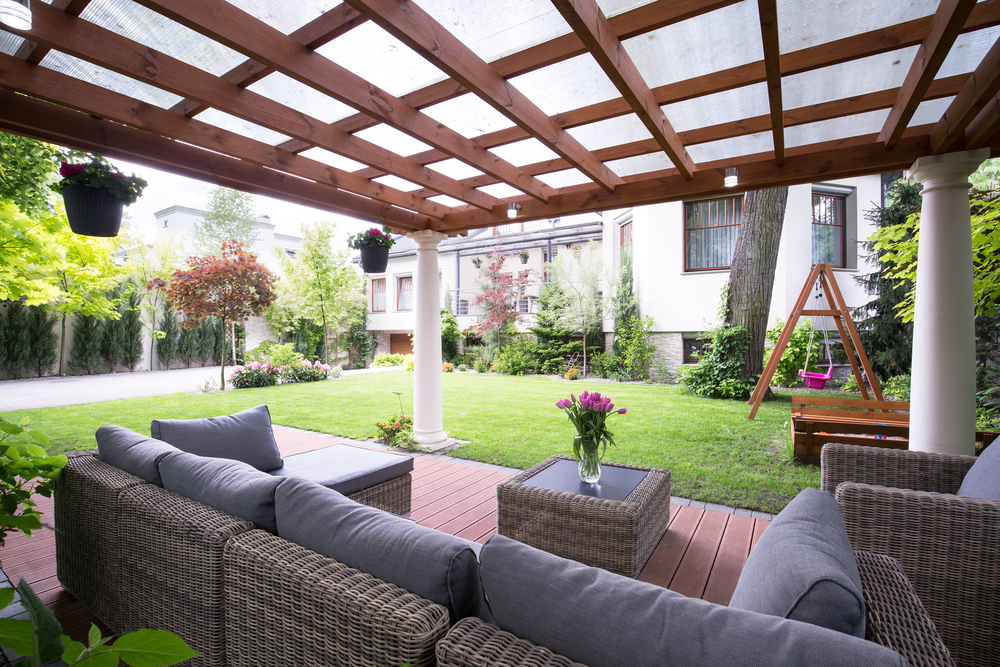
Why Outdoor Spaces Are a Bigger Priority Today
Outdoor living spaces now support daily life—not just occasional gatherings. Many households are using patios, balconies, and yards as secondary living rooms, work zones, or wellness spaces. This shift accelerated when more people began working from home and spending a greater share of their time on their own property.
Common reasons outdoor spaces matter more today:
- A place to relax or decompress without leaving home.
- Room for children or pets to move, play, and explore safely.
- Space to entertain friends, family, or neighbors in a low‑stress setting.
- Flexibility for gardening, hobbies, exercise, or quiet reading time.
- A sense of privacy and separation from close‑by homes or shared walls.
For many buyers, outdoor areas now function as an extension of the living space rather than a bonus feature, which directly influences how a property is perceived and compared to others.
What Counts as “Good” Outdoor Space?
Not every yard, patio, or balcony is equally useful. Good outdoor space is any area that is functional, reasonably private, and easy to access from the main parts of the home. Buyers often discover that a modest, well‑designed outdoor area can feel more livable than a larger but awkward or high‑maintenance yard.
Key factors that affect outdoor usability:
**Size and layout** – Is there enough room for seating, play, or dining, and is the space shaped in a way that furniture actually fits?
**Terrain and grading** – Flat or gently sloped areas are easier to use than steep, uneven, or heavily terraced yards.
**Shade and sun exposure** – The balance of sunlight and shade affects comfort, plant choices, and how often the space can realistically be used.
**Privacy and views** – Fencing, elevation, and landscaping all influence whether the space feels exposed or peaceful.
**Maintenance requirements** – Large lawns, complex landscaping, or aging decks may require time, tools, or ongoing costs that not every buyer wants.
**Access from the home** – Outdoor areas that connect directly to kitchens, living rooms, or main hallways are used more consistently than spaces you have to “go out of your way” to reach.
A smaller patio with shade, privacy, and easy access from the main living area may be more desirable than a large yard that is sloped, exposed, or difficult to maintain.
How Outdoor Features Can Influence Buying Decisions
When two homes are similar in price, location, and interior features, outdoor space often becomes the deciding factor. Buyers frequently picture where they will drink their morning coffee, where kids will play, or where guests could gather, and they use those mental images to choose between properties.
Outdoor features that commonly tip the scales:
**Covered patios or porches** that provide shade and weather protection.
**Fenced yards** that support pets, privacy, or safety for children.
**Mature trees and landscaping** that add shade, character, and visual appeal.
**Usable side yards or courtyard areas** that allow for gardens, storage, or seating.
**Space for future customization**, such as room for a playset, firepit, or small pool.
For sellers, understanding these priorities can help direct where to invest time and money before listing. Simple improvements—like power‑washing a patio, trimming overgrown plants, or adding basic seating—can help buyers see the space as ready to use rather than another project.
Thinking Long‑Term: Flexibility and Resale Appeal
Needs and routines change over time, which is why flexible outdoor space can be so valuable. A yard or patio that seems like a “nice extra” today might become essential later for entertaining, multigenerational living, pets, or new hobbies.
Long‑term considerations when evaluating outdoor space:
**Adaptability** – Can the space be rearranged or modestly upgraded without major construction?
**Future life stages** – Will the area still work if you have children, host relatives, or decide to age in place?
**Resale appeal** – Would the outdoor setup likely appeal to a broad range of future buyers in your price point and area?
**Potential improvements** – Is there room (and realistic budget potential) to add shade structures, pathways, or simple landscaping later?
Even if outdoor space isn’t at the very top of your list today, choosing a home with at least some flexible, functional exterior area can make the property more comfortable for you—and more marketable if you decide to sell.
Practical Tips for Buyers Evaluating Outdoor Space
When you tour homes, it can be easy to focus almost entirely on interior finishes and room sizes. Building a simple checklist for outdoor spaces helps keep you grounded and organized.
Questions to ask as you evaluate:
Can this outdoor area realistically support how I’d like to use it in the next 3–5 years?
How much time and money am I willing to spend on yard or patio maintenance?
Is there enough shade or could I comfortably add shade with umbrellas or a future structure?
If I add furniture, play equipment, or container gardens, will there still be room to move around?
How does the space feel at different times of day in terms of light, noise, and privacy?
Taking a few minutes outside during each showing—but imagining real, everyday use—can prevent disappointment later and reduce the urge to compromise on a space that does not truly fit your lifestyle.
Practical Tips for Sellers Highlighting Outdoor Space
If you are preparing to sell, the goal is not to create a luxury backyard overnight; it is to help buyers see how your existing space can support their daily life. Small, targeted improvements can make a big difference in photos, showings, and first impressions.
Simple ways to strengthen outdoor appeal:
Clear clutter, toys, or unused items so the space feels open and intentional.
Mow, edge, and trim landscaping to signal that the yard has been cared for.
Add low‑maintenance plants or planters near entry points to soften hard surfaces.
Place a small bistro set, bench, or seating group to show where people could relax.
Repair obvious issues like loose boards, broken gates, or damaged railings where feasible.
Buyers don’t expect perfection, but they often respond strongly to spaces that feel clean, functional, and easy to imagine using right away.
Frequently Asked Questions (FAQ)
What is considered outdoor living space?
Answer: Outdoor living space typically includes any usable exterior area—such as a yard, patio, deck, balcony, or courtyard—that can comfortably support everyday activities like relaxing, dining, or play.
Do outdoor spaces really matter when buying a home?
Answer: For many buyers, outdoor space plays a significant role in daily comfort and overall satisfaction with a home, especially as more time is spent at home and lifestyles become more home‑centered.
Does a larger yard always add more value?
Answer: Not necessarily. Usability, layout, and maintenance requirements often matter as much as overall size. A smaller, functional yard may feel more valuable than a large space that is hard to maintain or difficult to use.
Are patios and decks as important as yards?
Answer: It depends on your lifestyle. Some buyers prefer low‑maintenance patios or balconies for seating and dining, while others prioritize grass and open space for pets, play, or gardening.
Should outdoor space be a deal‑breaker?
Answer: Outdoor space does not have to be a deal‑breaker, but it should be evaluated alongside your lifestyle needs, budget, and long‑term plans. If you know you’ll rarely use a yard or patio, it may not need to be your top priority.
Can outdoor features affect resale appeal?
Answer: In many cases, yes. Homes with usable, well‑maintained outdoor spaces often appeal to a broader range of buyers and can stand out more in competitive markets than similar homes without functional exterior areas.
If you’re planning to buy or sell in the Georgetown or surrounding Central Texas area and want guidance that considers both current market data and real‑world lifestyle needs, I’m available to help.
Damien Corona is a Texas REALTOR® with Realty Texas who focuses on data‑driven market insights and practical guidance for buyers and sellers in Central Texas. He is a licensed real estate sales agent experienced in residential transactions, marketing, and local housing trends. TREC License #844928.
Damien Corona, Texas REALTOR®
Email: damien-corona@realtytexas.com
Mobile: (512) 790-5191
TREC License #844928
Market insights are provided for educational purposes only and are based on currently available information. This content is not legal, tax, or financial advice; individual situations and results may vary
Comment